Decor Concepts
Visual concept creation for interior spaces involves developing cohesive narratives through material selection, color coordination, and object arrangement.
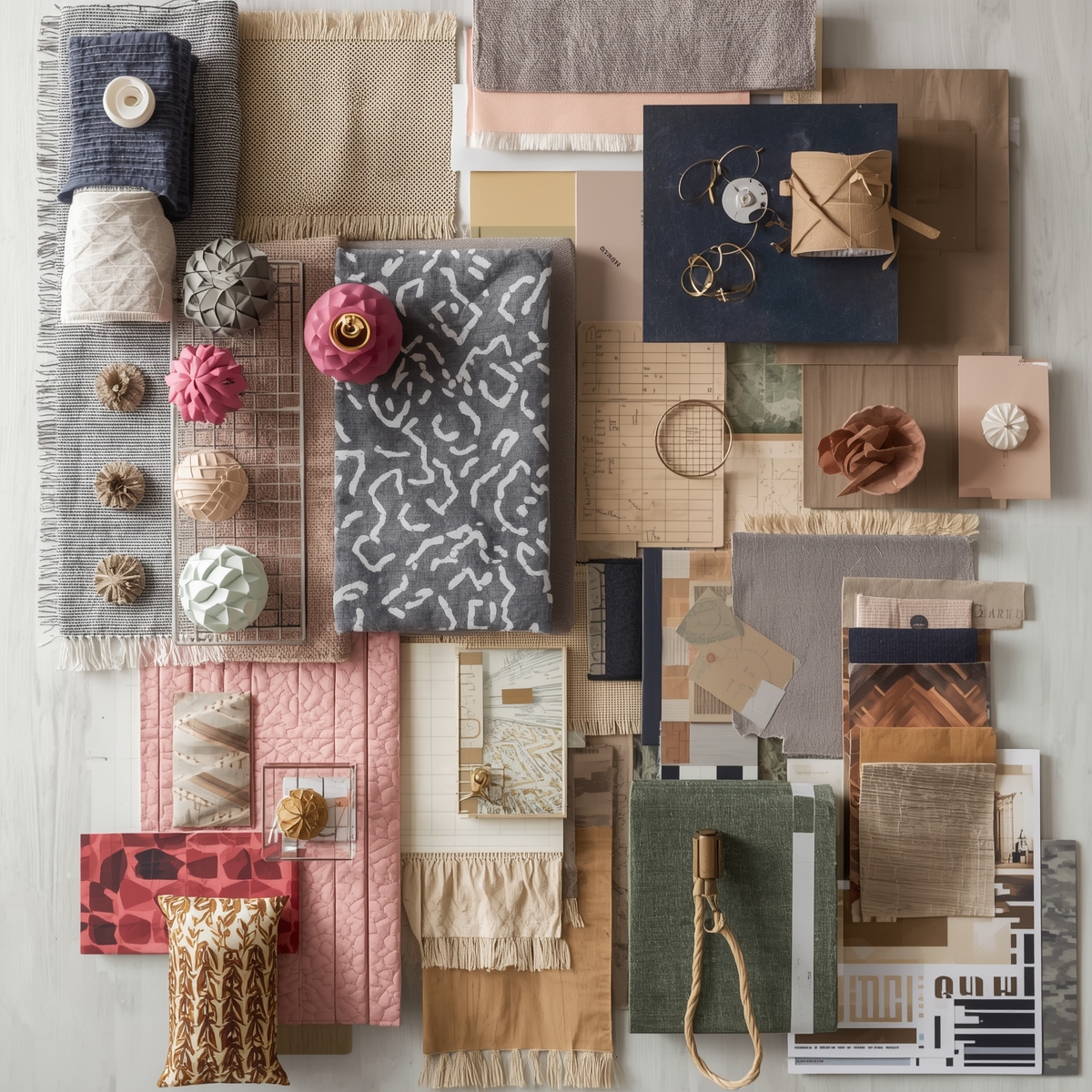
Material Boards
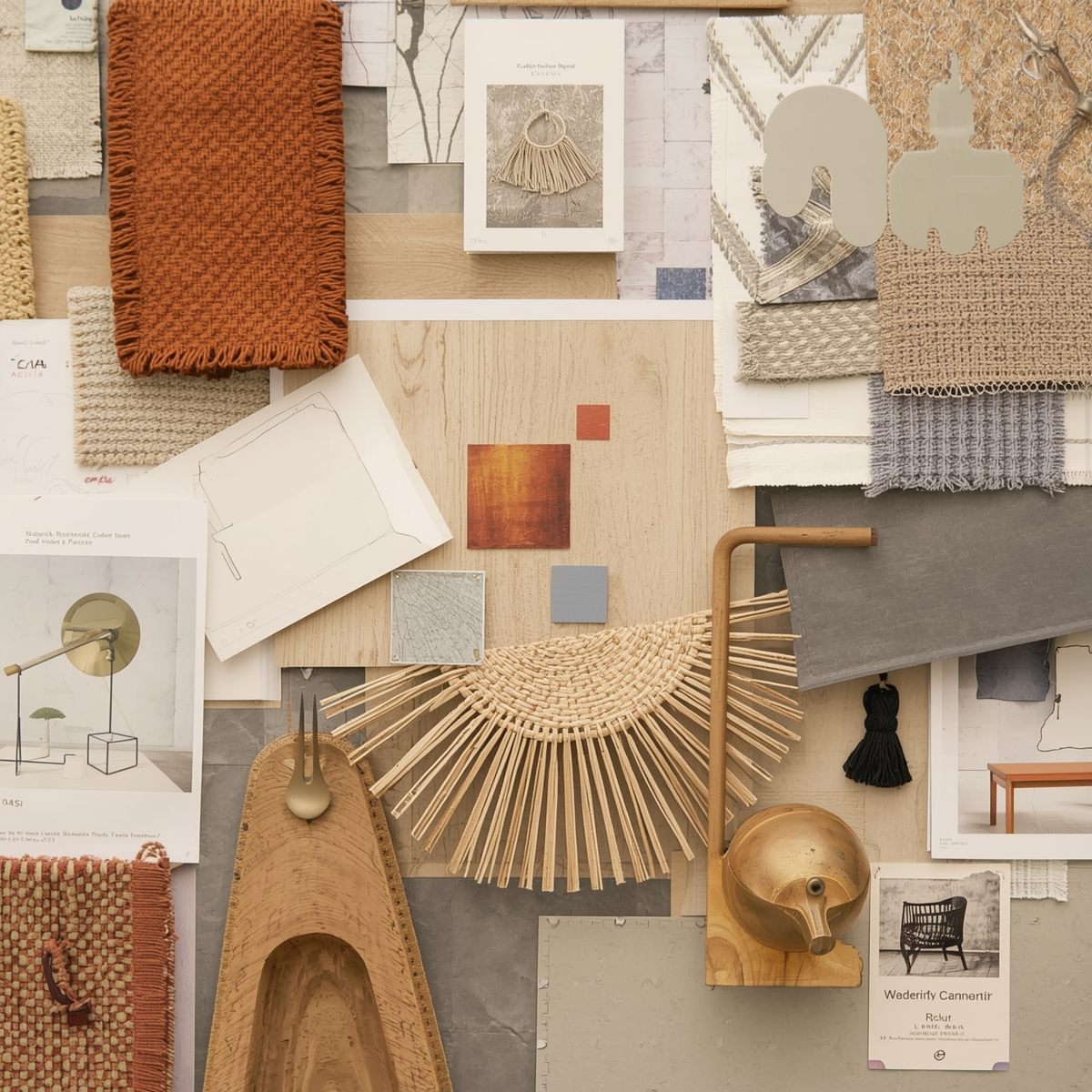
Material boards serve as visual references that combine samples of textiles, finishes, furniture materials, and decorative elements. These boards help communicate the intended aesthetic direction and demonstrate how different materials work together.
We select materials based on their tactile qualities, visual weight, and compatibility with the architectural context. The boards include actual samples where possible, supplemented with photographic references for larger elements.
Color Palettes
Color coordination is fundamental to creating cohesive interior concepts. We develop color palettes that consider the existing architectural features, natural light conditions, and the desired mood of the space.
Our color recommendations include primary, secondary, and accent colors, with consideration for how these colors interact across different materials and surfaces. We account for how colors appear under different lighting conditions and how they relate to the surrounding environment.
Spatial Composition
Spatial composition concepts explore how furniture and objects relate to each other within a given space. These concepts consider traffic flow, functional zones, visual balance, and the creation of focal points.
We develop layout sketches and arrangement plans that show different configuration options. These concepts help visualize how the space can be organized to support both functional needs and aesthetic goals.
Object Arrangement
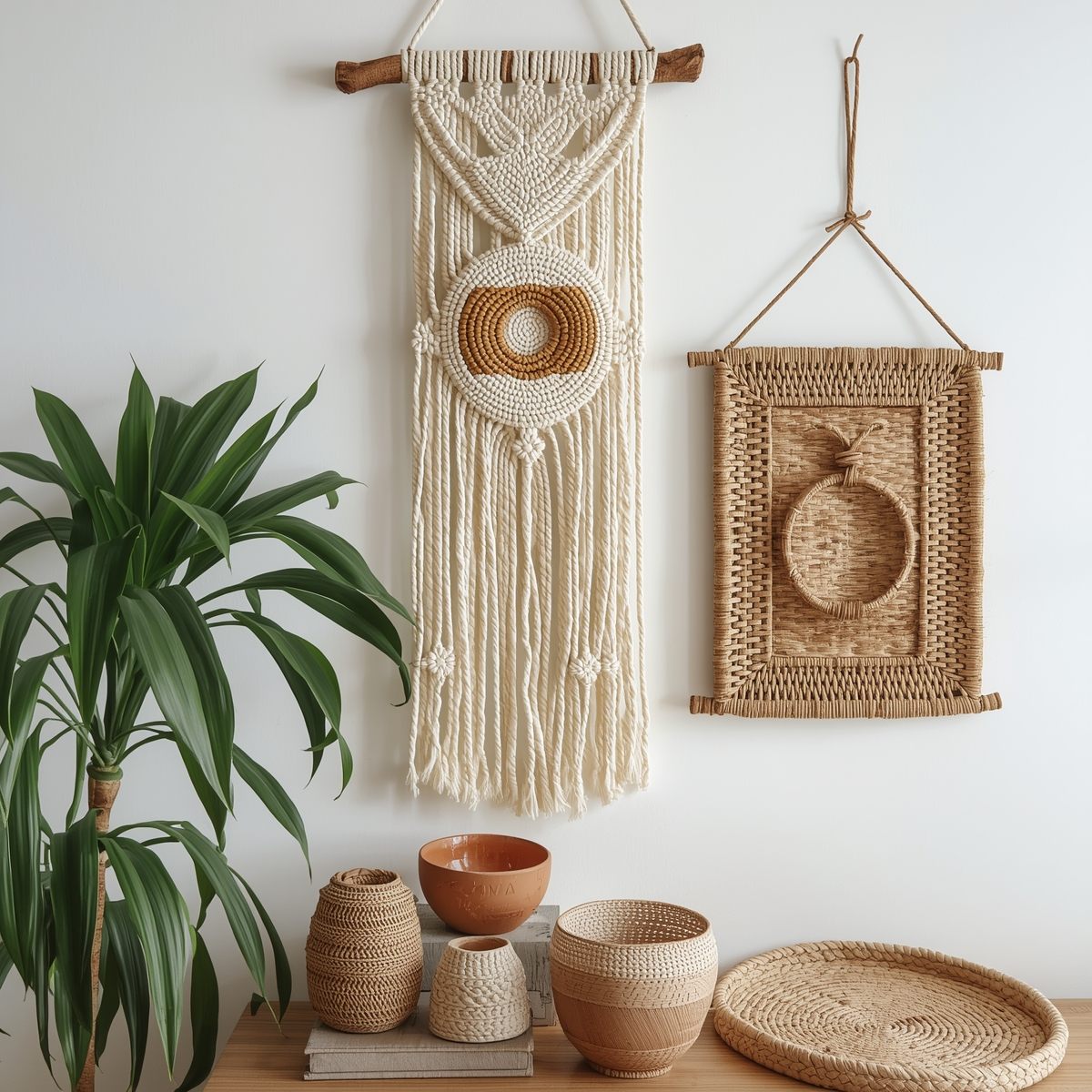
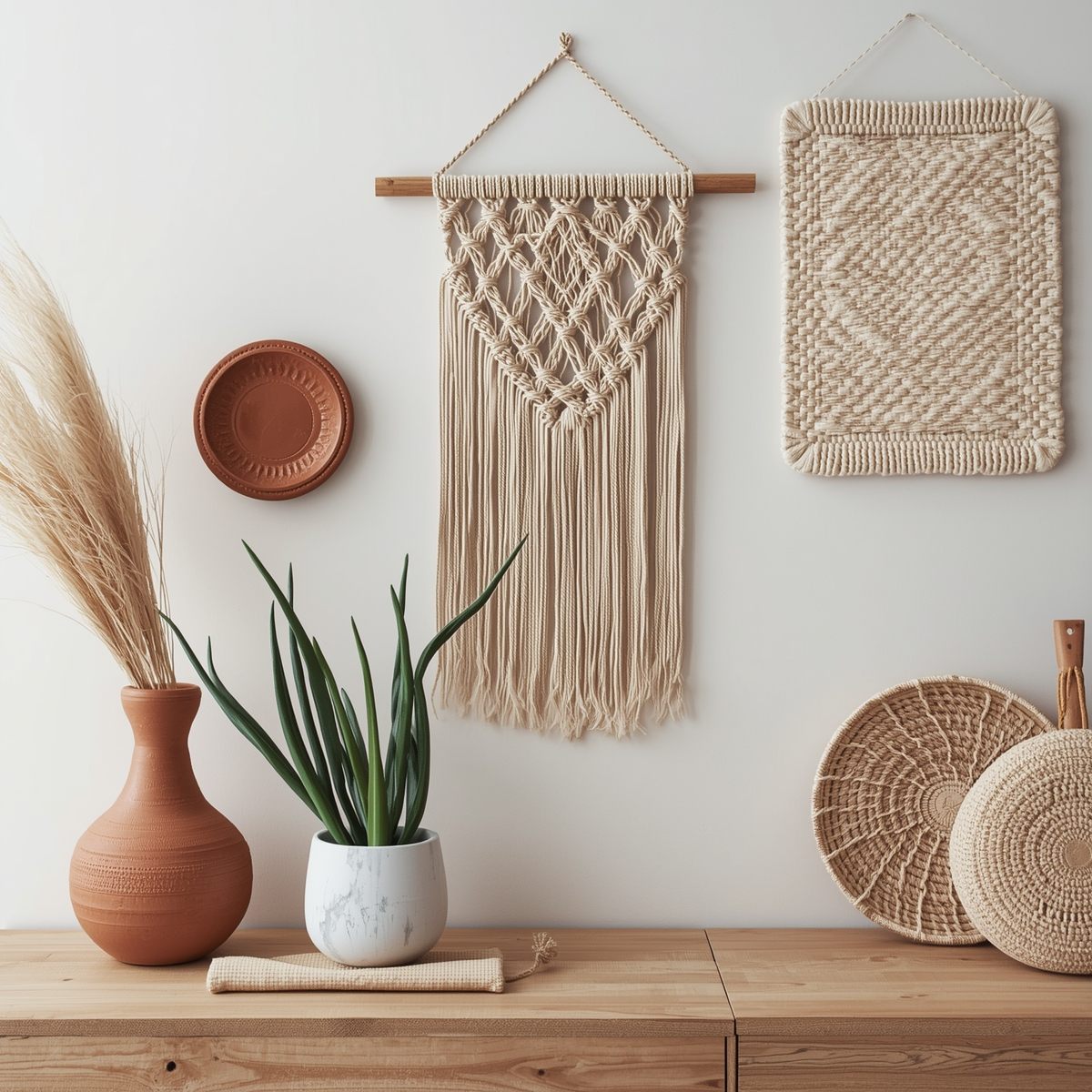
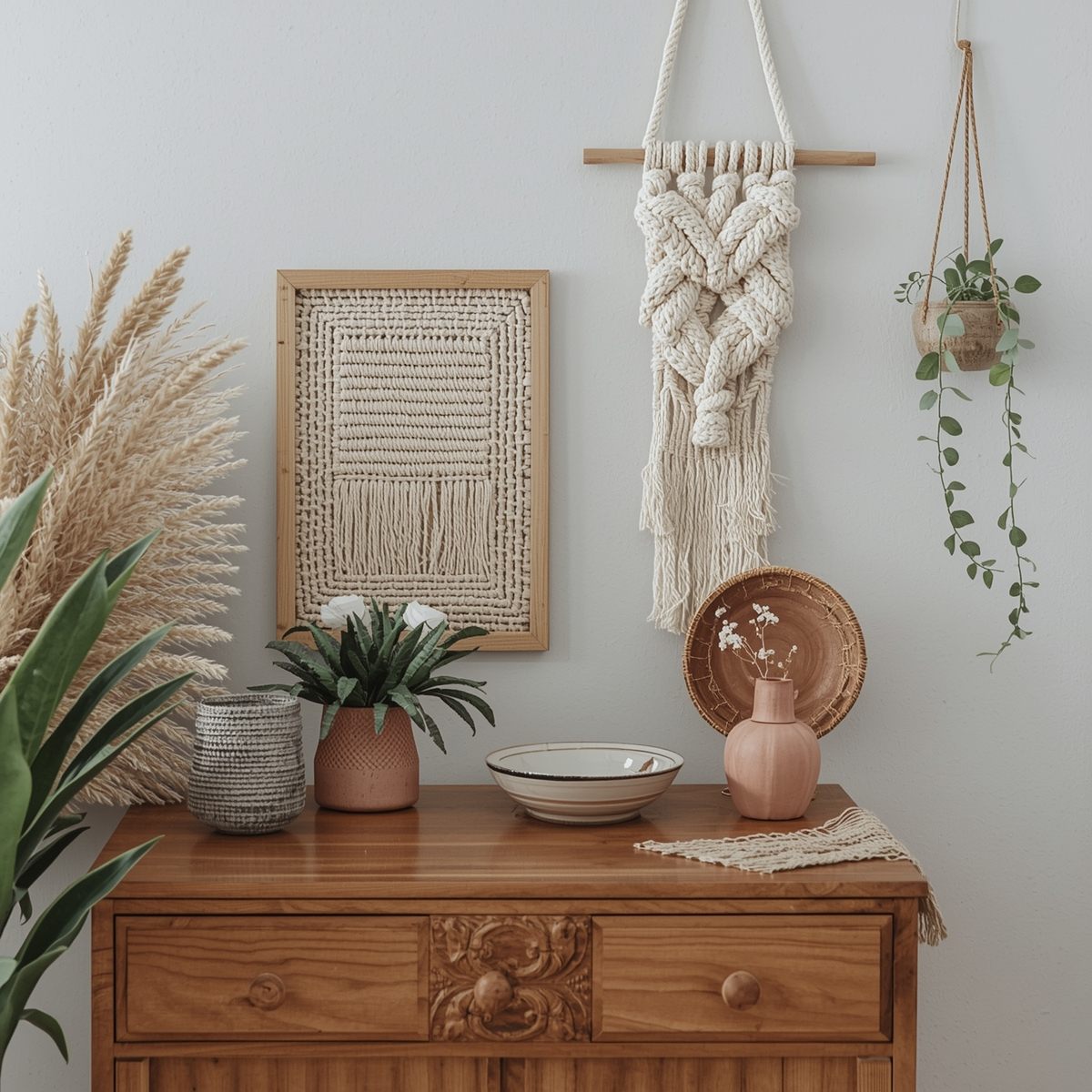
The arrangement of decorative objects, artwork, and accessories contributes significantly to the overall character of a space. Our concepts explore different approaches to object placement, considering scale, proportion, and visual hierarchy.
We develop concepts that show how objects can be grouped, spaced, and positioned to create visual interest while maintaining a sense of order. These arrangements consider the relationship between objects and the architectural features of the space.
Concept Development Process
Our concept development begins with understanding the client's space, existing elements, and preferences. We then research materials, colors, and furniture options that align with the project requirements.
The concepts are presented as visual guides that can be used during implementation. They serve as references for material selection, color choices, and spatial arrangements, helping to maintain consistency throughout the project.
Color Psychology
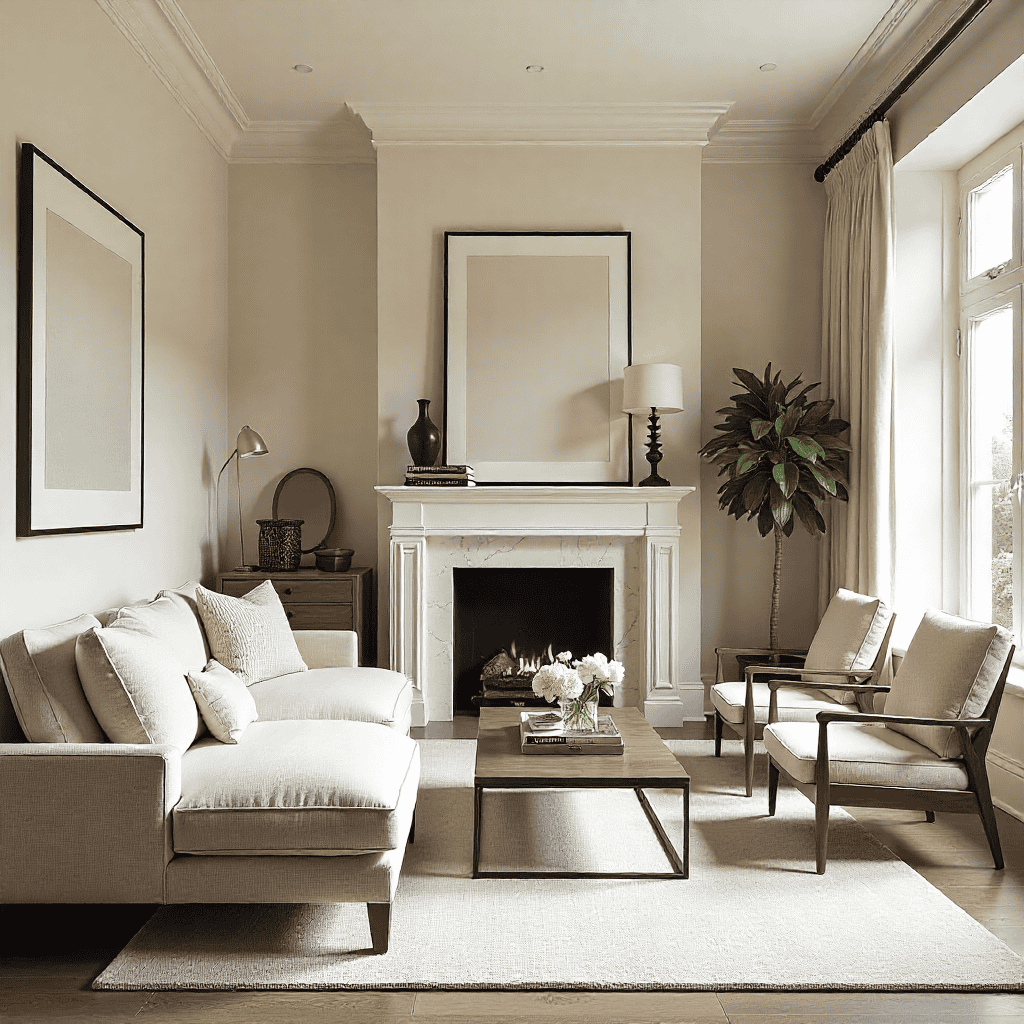
Understanding how colors affect mood and perception is crucial in interior design. We carefully select color palettes that enhance the desired atmosphere of each space.
Warm tones create inviting, cozy environments, while cool tones promote calm and focus. Our color selections consider natural light, room function, and personal preferences.
Textile Selection
Careful consideration of fabric textures, patterns, and durability ensures both aesthetic appeal and practical functionality in your space.
Natural Materials
We prioritize sustainable and natural materials that bring warmth and authenticity to interior environments.
Premium Finishes
High-quality finishes and details elevate the overall design, creating spaces that feel luxurious and refined.
Design Philosophy
Our design philosophy centers on creating harmonious spaces that balance form and function. Every element is carefully considered for its contribution to the overall composition.
We believe in timeless design that transcends trends, creating interiors that remain beautiful and relevant for years to come.
Creative Solutions
We approach each project with fresh eyes, developing creative solutions tailored to your unique space and requirements.
Attention to detail ensures that every aspect of your interior design works together cohesively and beautifully.
Our concepts transform ordinary spaces into extraordinary environments that inspire and delight.